

Stars and rocky worlds
Stars have flowing surfaces and sunspots that come and go, dead stars are common and keep rare worlds, and rocky and lava worlds are repainted.
I rebuilt how stars look, and gave rocky and lava worlds a new coat of paint.
Stars
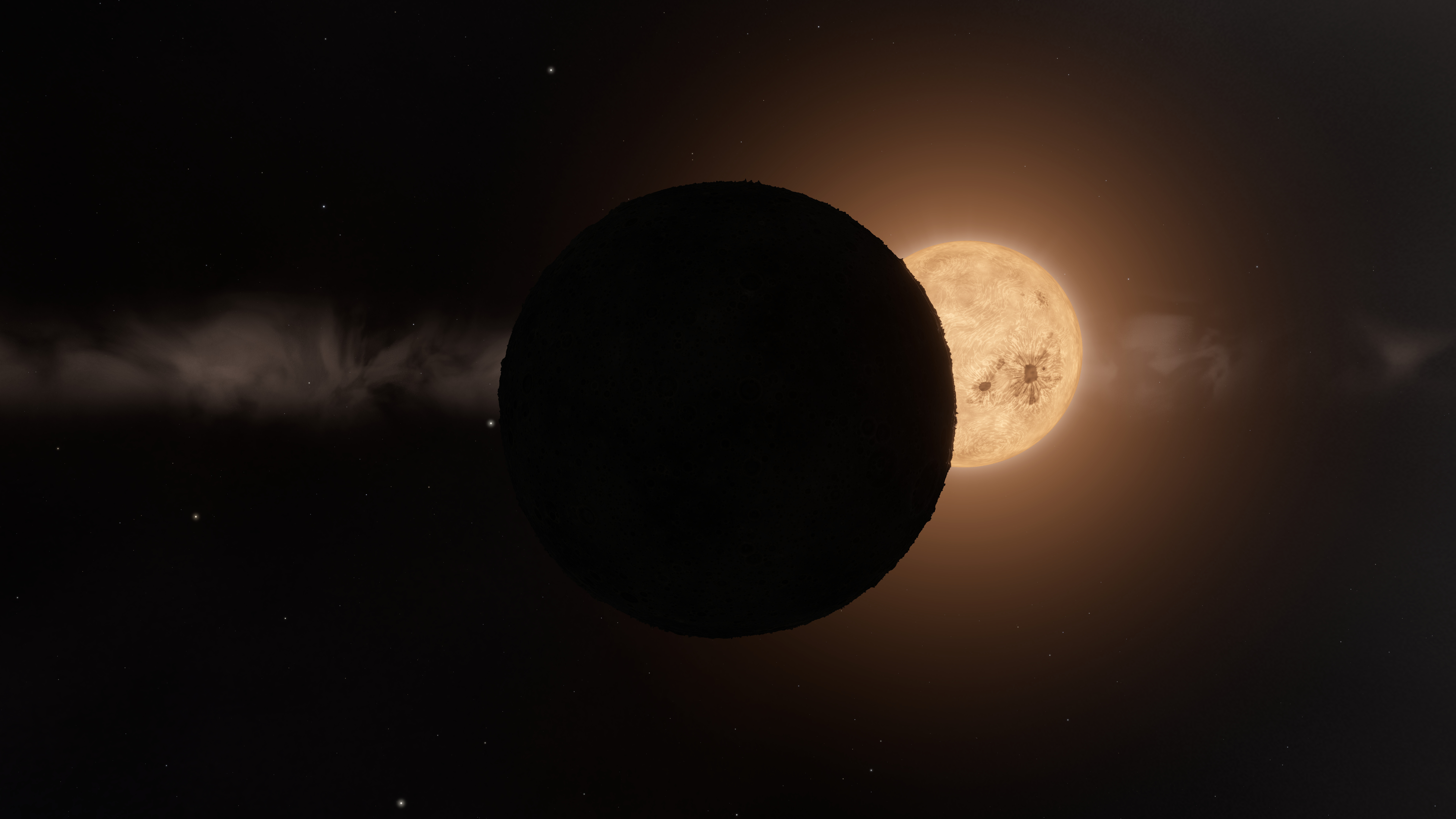
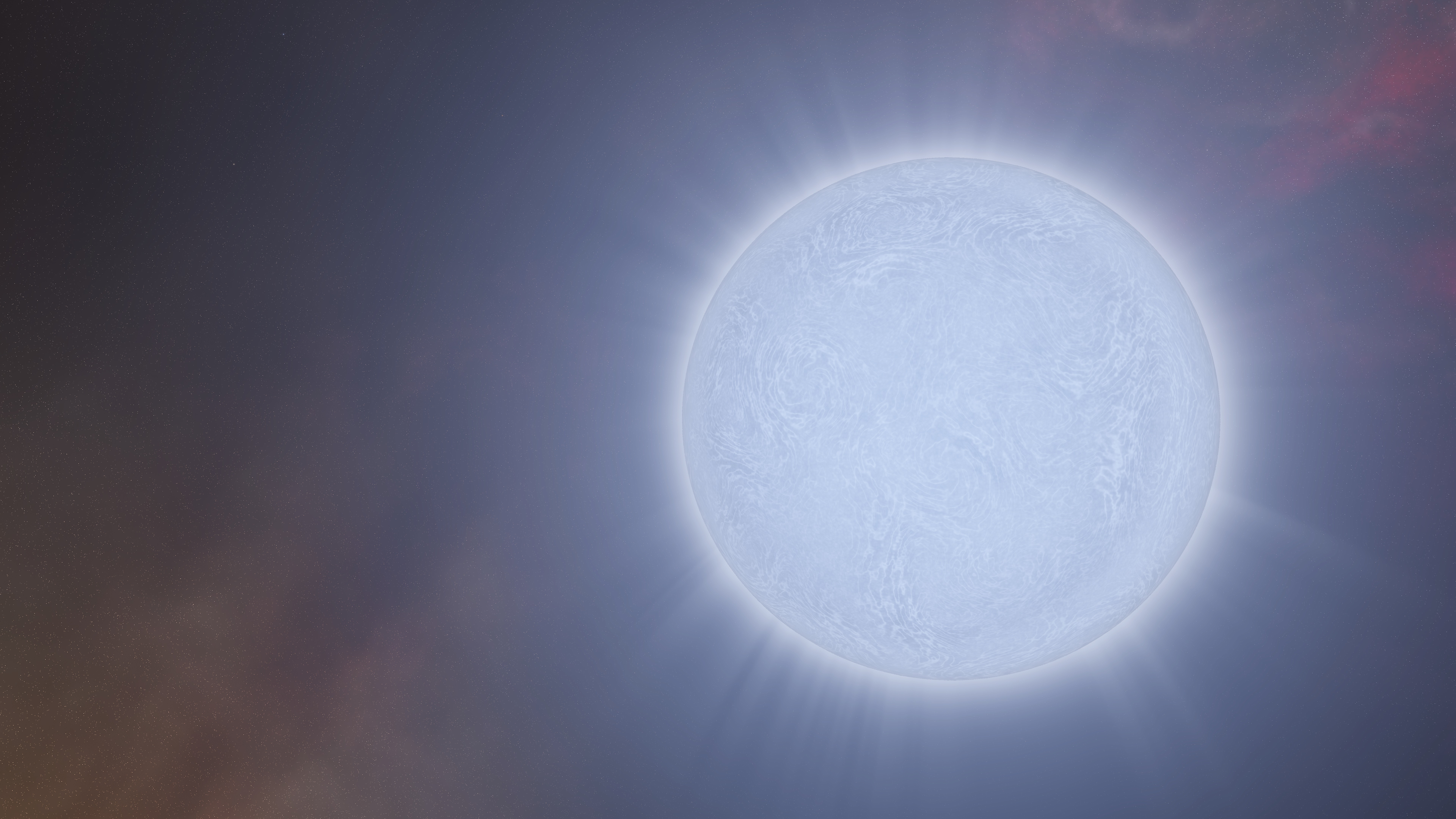
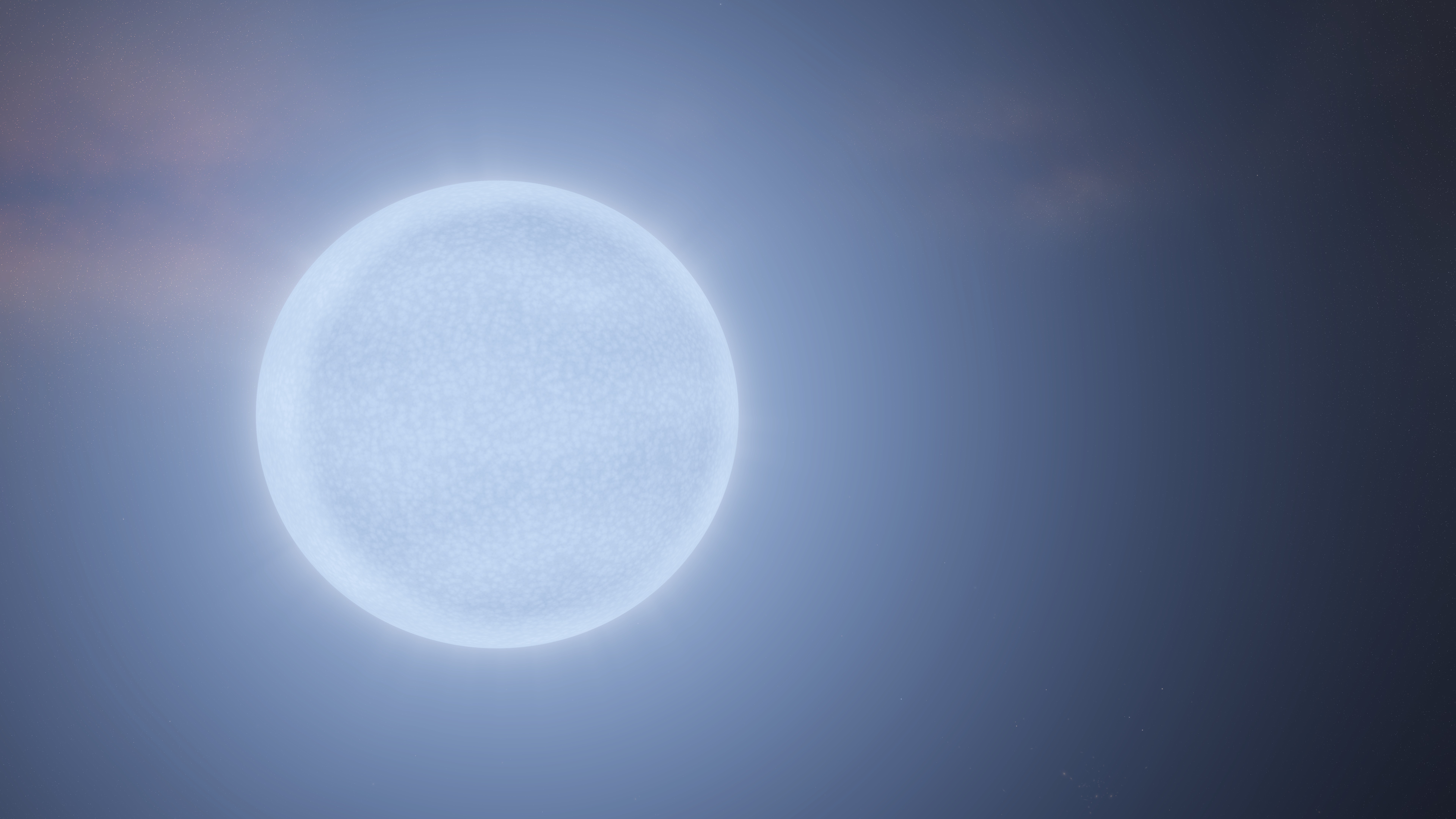
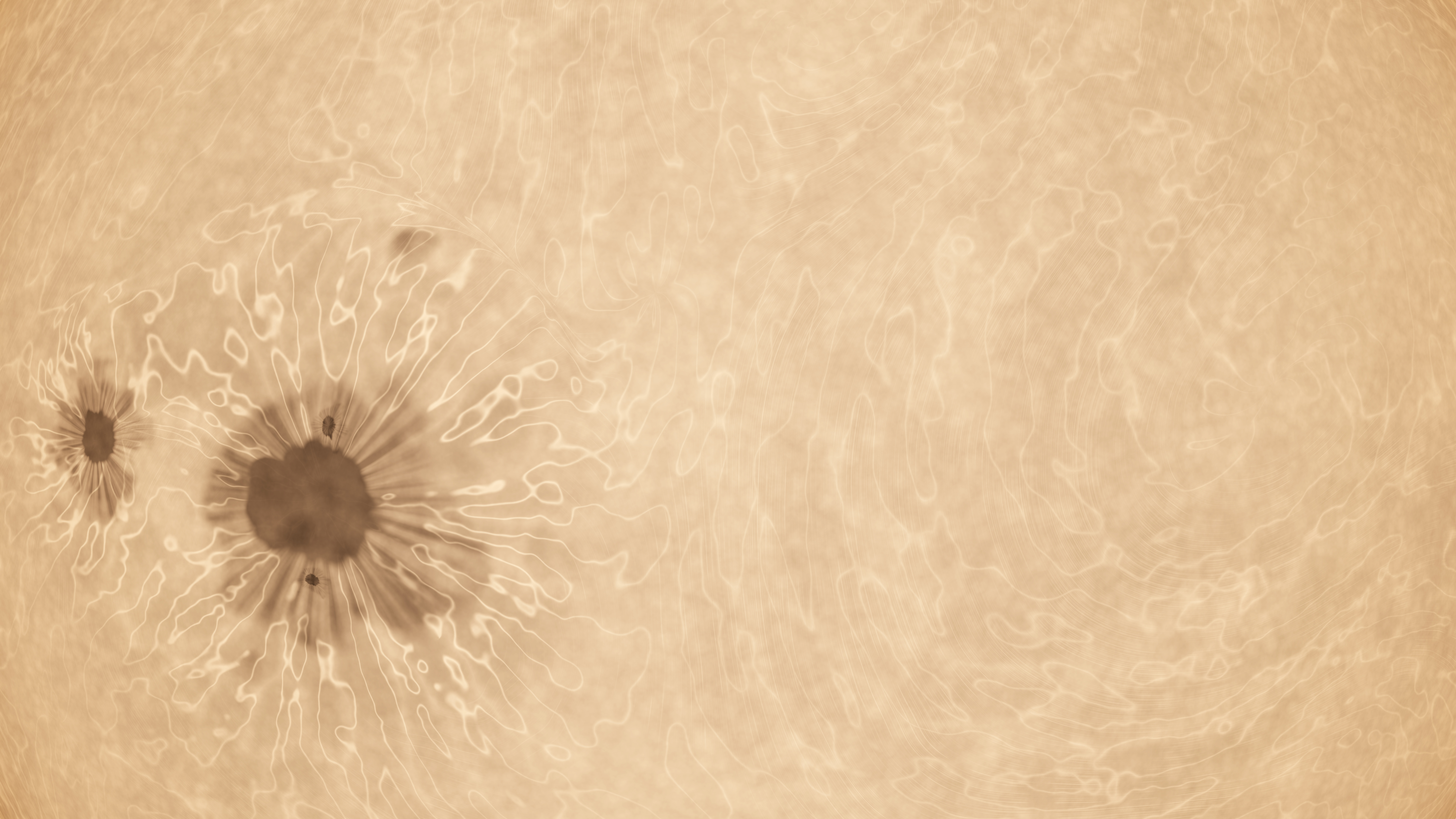
A star’s surface now flows. Fine bright strands of plasma stream across it and curl into slow swirls, and quick flares burst from its edge. Fly close on High or Max planet detail and finer strands appear.
Sunspots come in groups: a big spot, a smaller partner and a few dark pores. Each group lives for a few months of game time. It grows, its spots drift apart, the big one splits, and the whole group fades while a new one rises somewhere else.
Giants and supergiants are drawn far bigger than before, so a red supergiant can fill the sky behind one of its worlds.
Dead stars
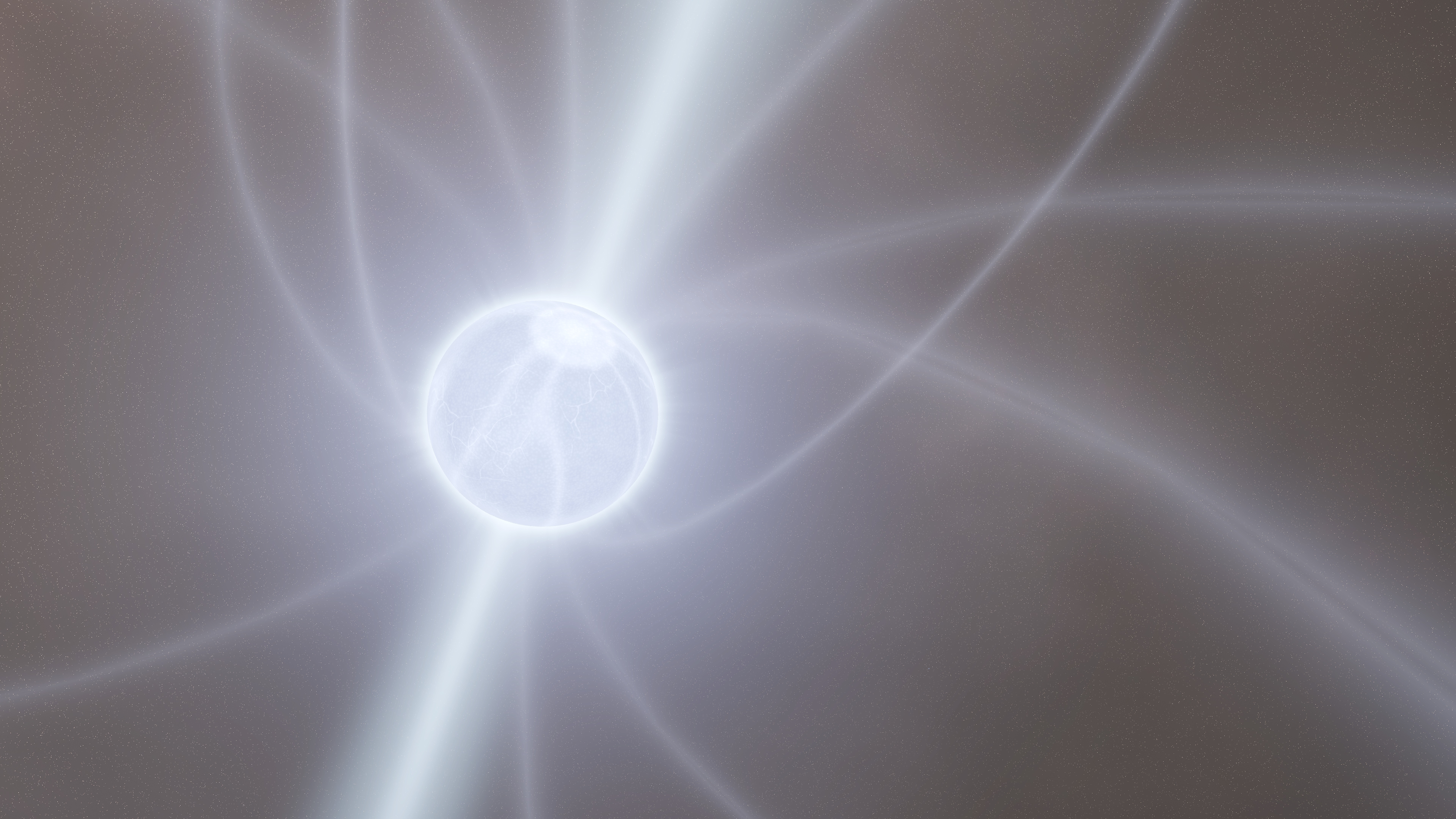
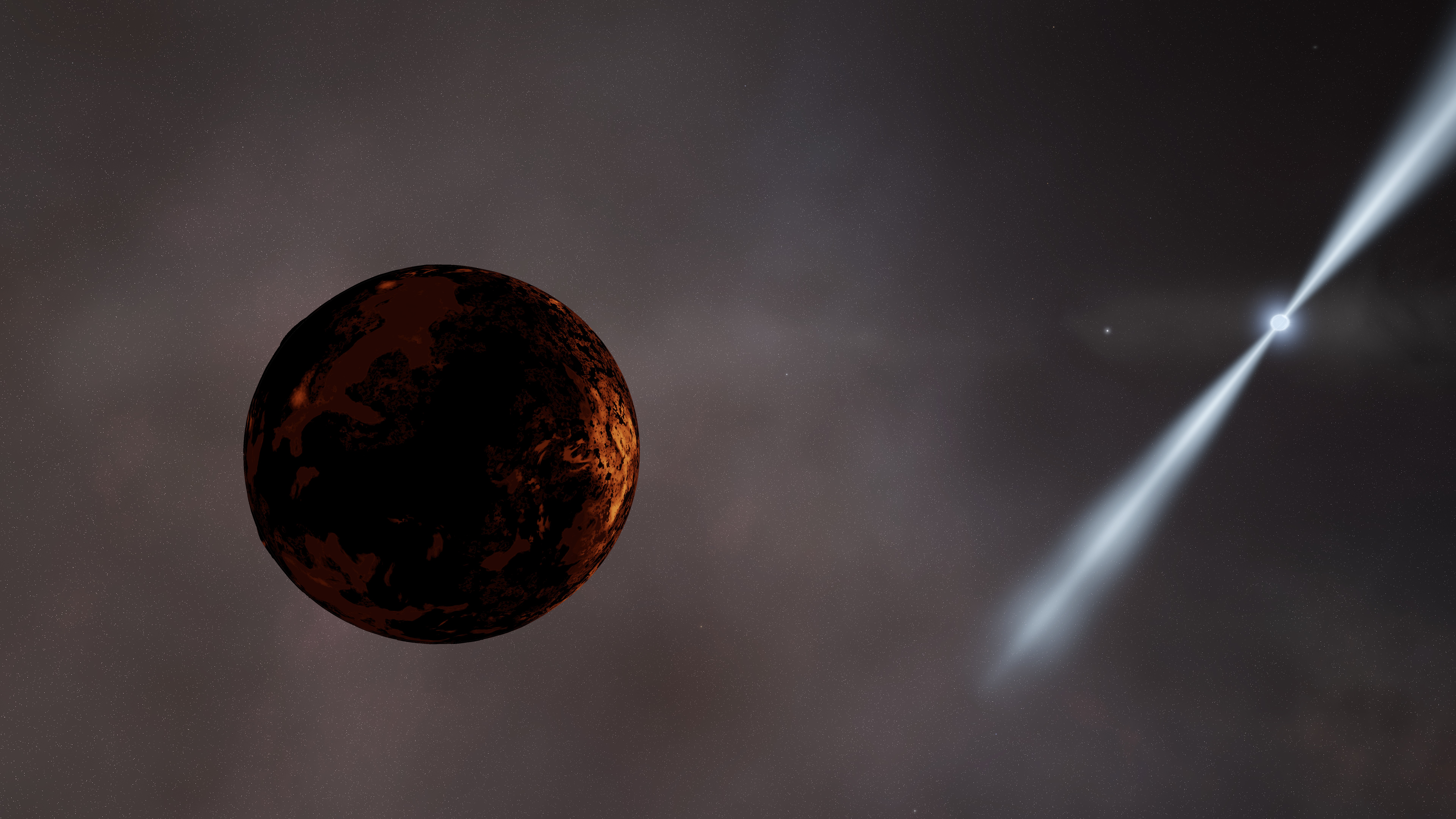
About one star in five is now a white dwarf, neutron star, pulsar, magnetar or black hole. White dwarfs show faint bands and magnetic spots. Pulsars and magnetars have white-hot poles and glowing field lines, and their beams reach far out through the system.
Magnetars have a giant flare about every minute and a half while you watch: a blinding flash, cracks glowing across the crust, the field loops blowing outward and a ring of light racing through the system.
Dead stars also keep rare worlds of their own, like the starglass husk a pulsar left behind. They are the only worlds where Starglass, Antimatter and Dark matter can be mined.
Rocky and lava worlds
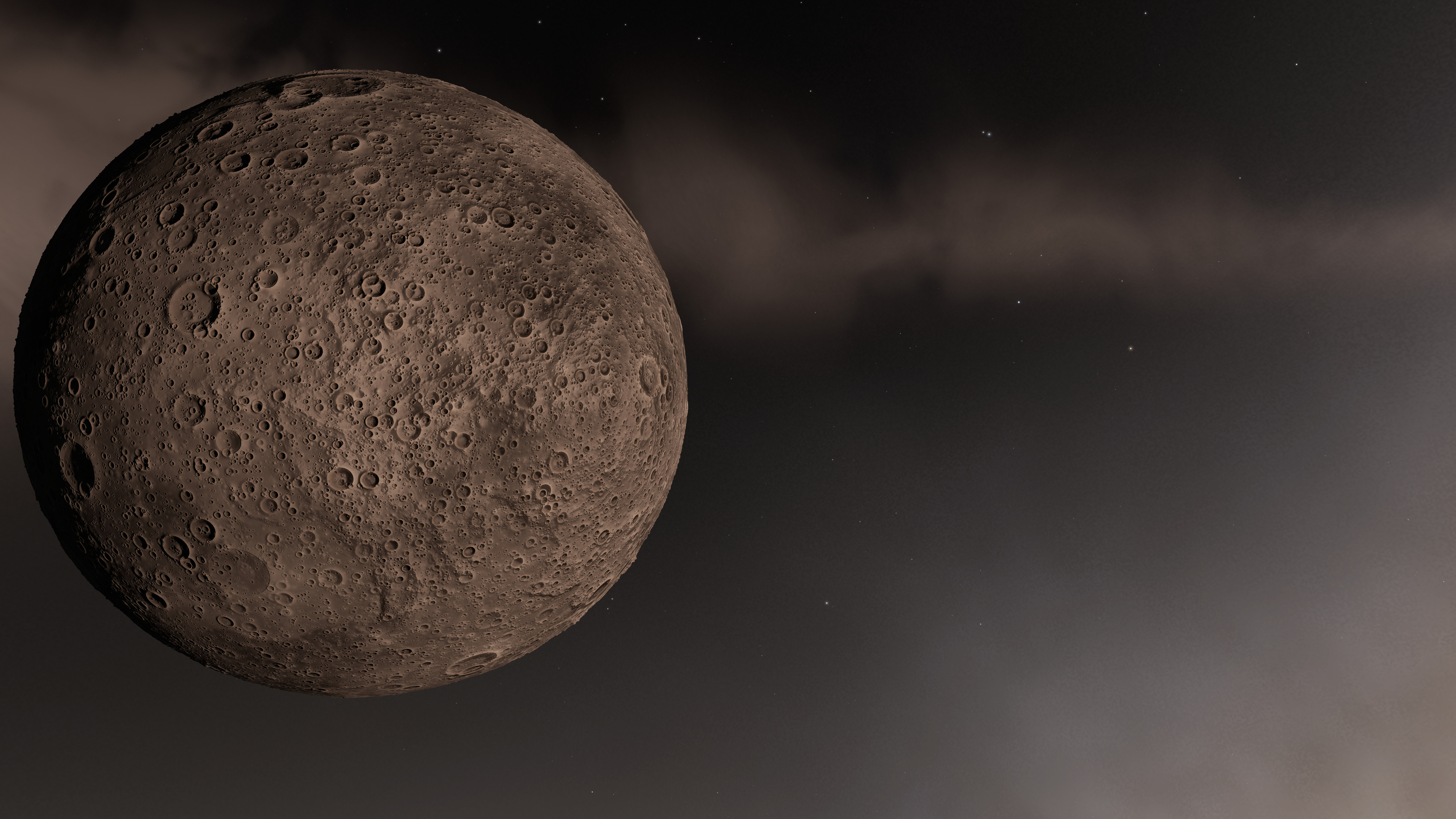
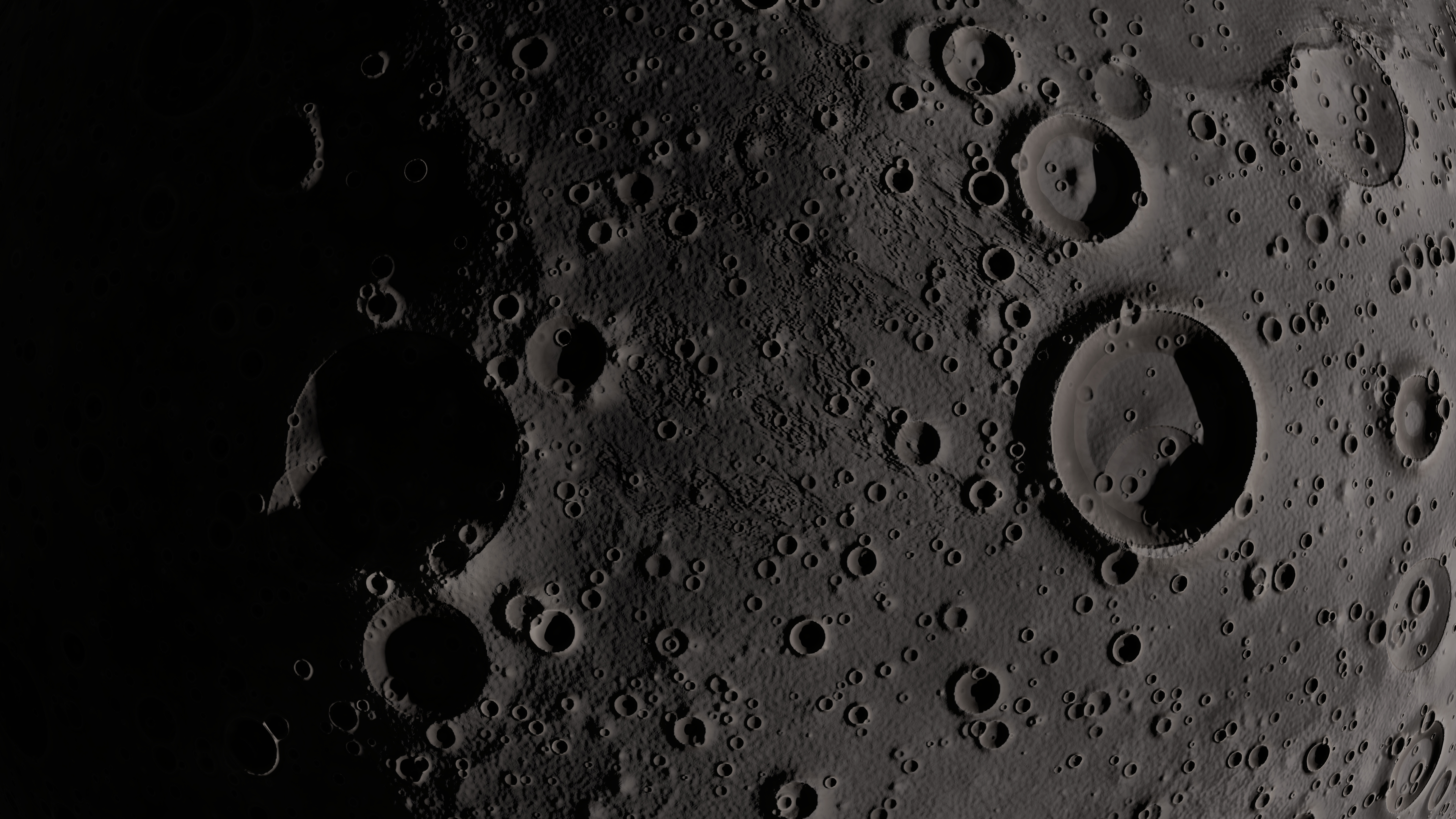
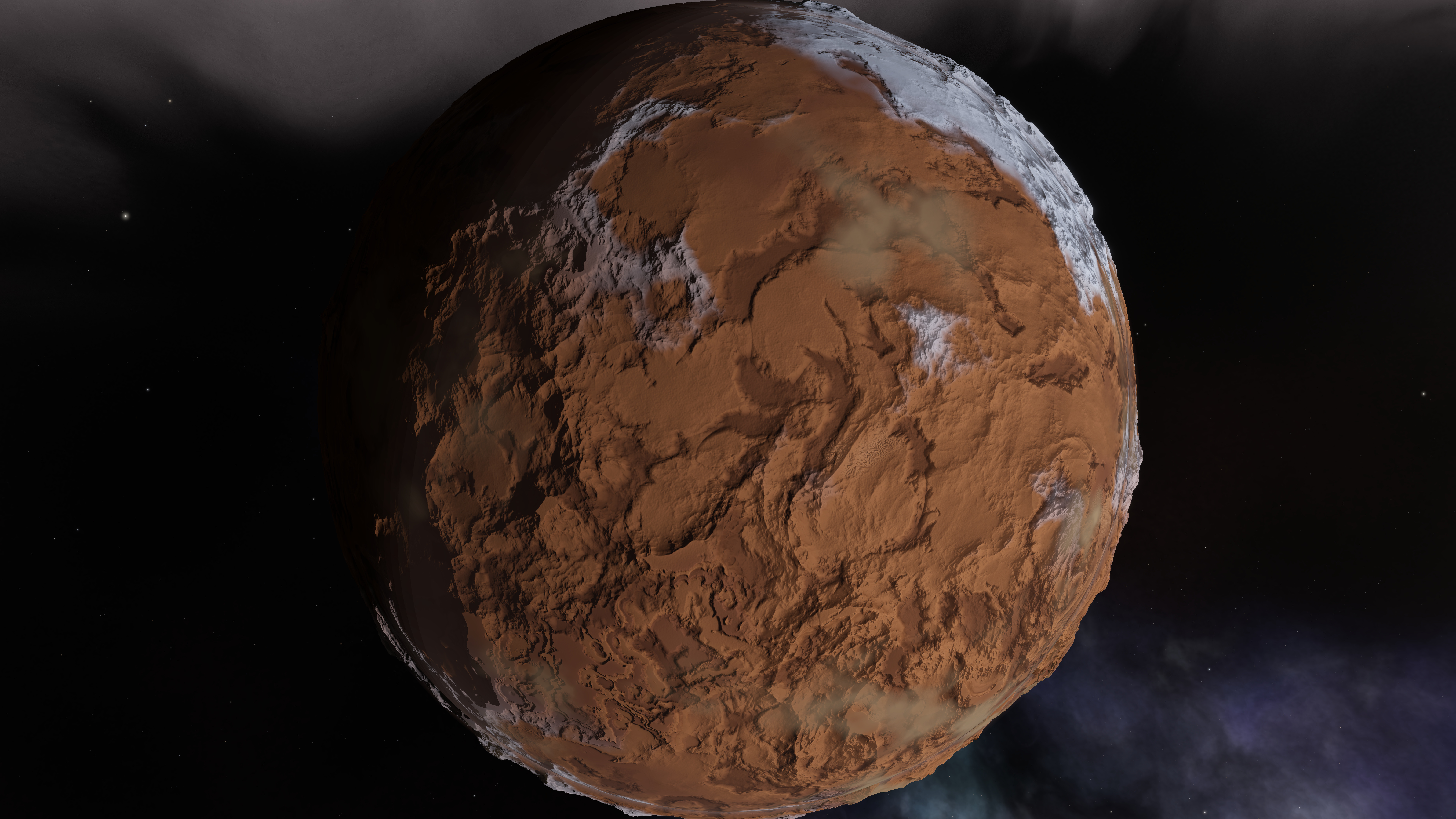
Airless rocky worlds have real landforms now: highlands and lowlands, mountain ranges, long cliffs and winding valleys, with dark plains in the low ground and frost in cold craters. No two worlds look alike any more.
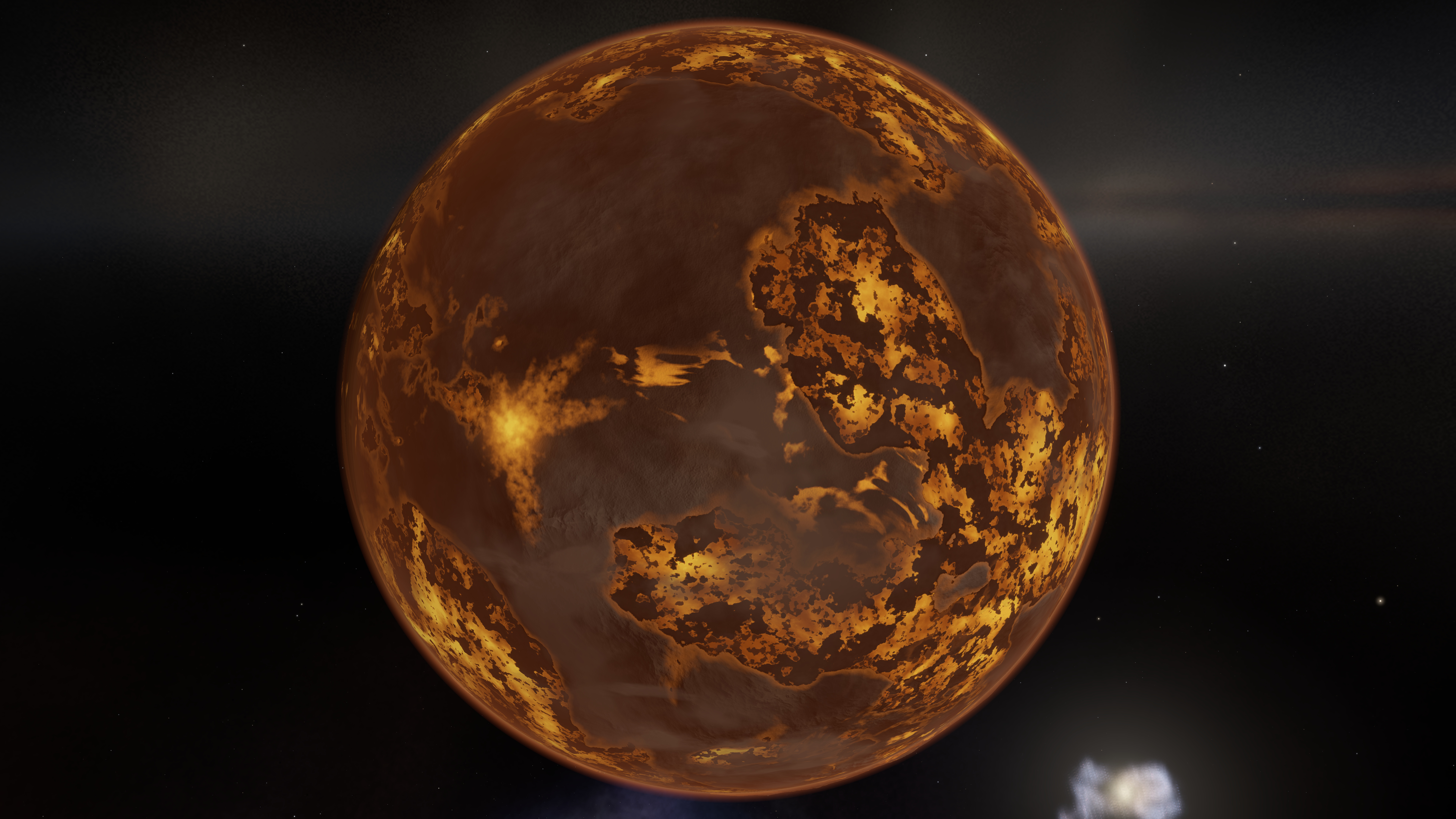
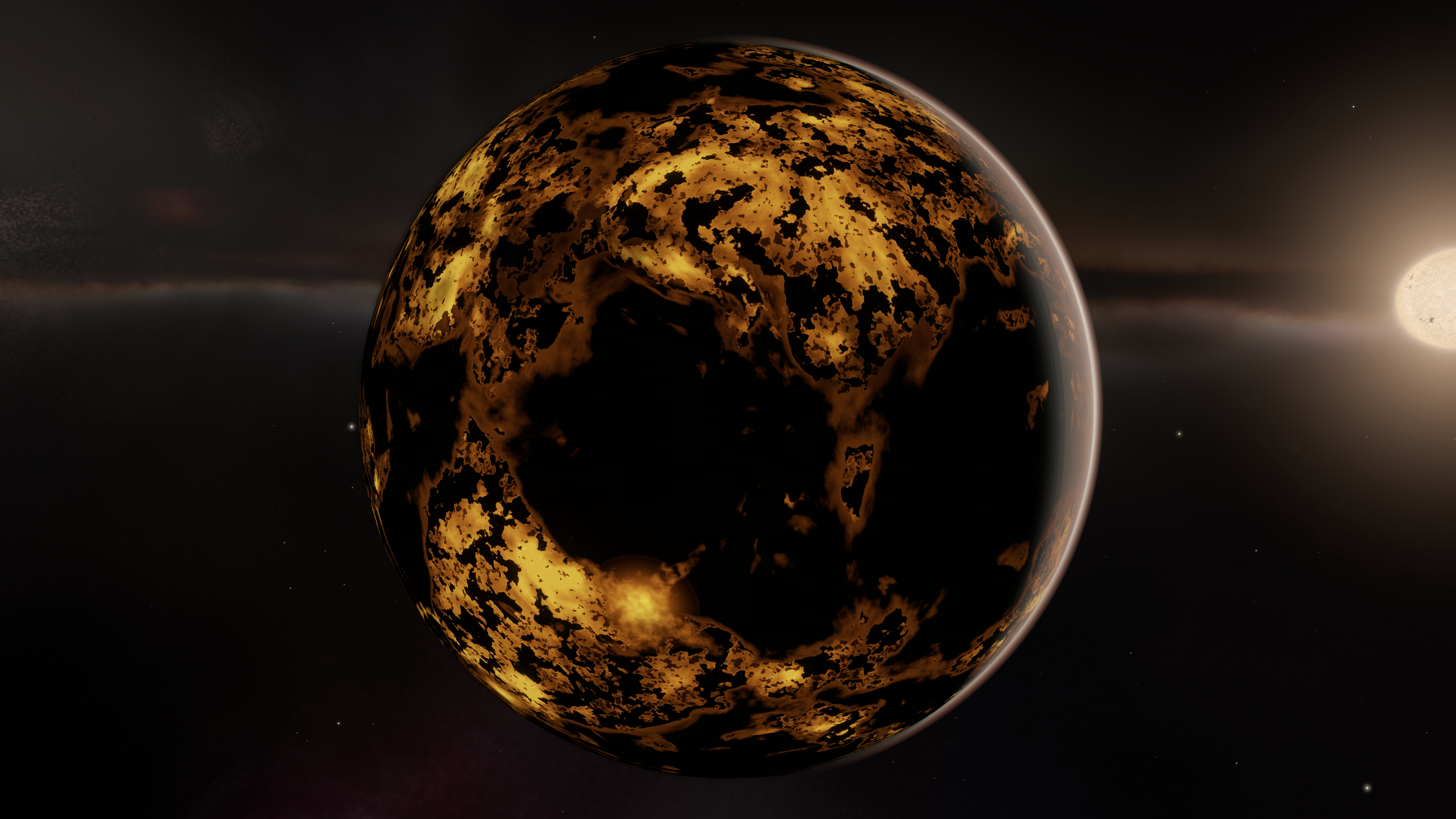
Lava worlds are dark, rough crust broken by fields of glowing lava, with open seas full of drifting crust. The hotter the world, the more of it is molten.